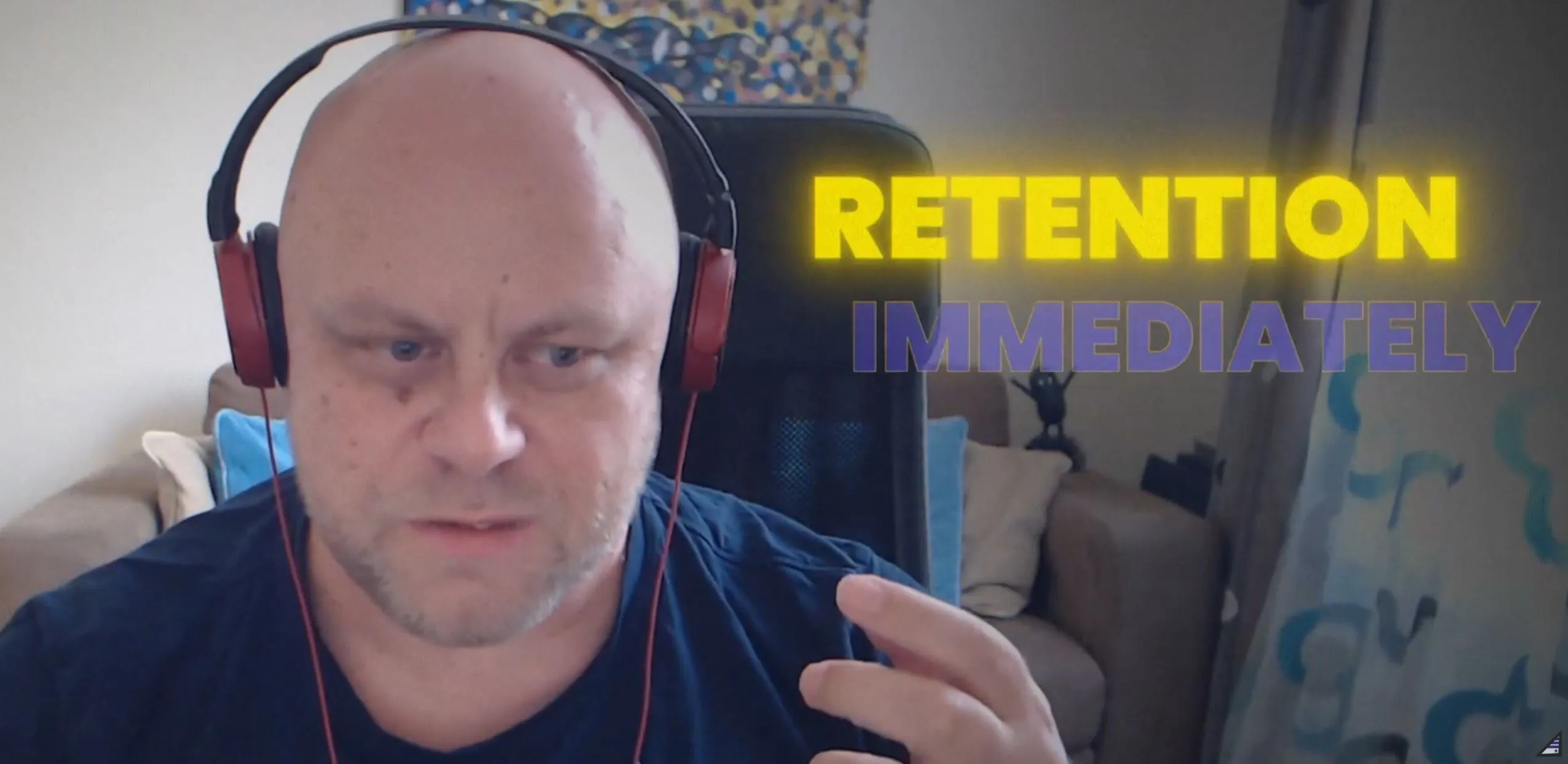


Mobile Marketing · Games since 2005 · Serial Entrepreneur

Going the distance
to build games
people love.

Player support in Brighton. Marketing in Taipei and Moscow. A studio of my own in Limassol. These are the field notes — the calls I’m proud of, the ones I’m still not sure about, and the math underneath both.

RoleCo-Founder & CEO,
Colossi Games
AlsoMirrorMagic Games
BasedLimassol, Cyprus
BeforeGermanyUnited KingdomTaiwanRussia
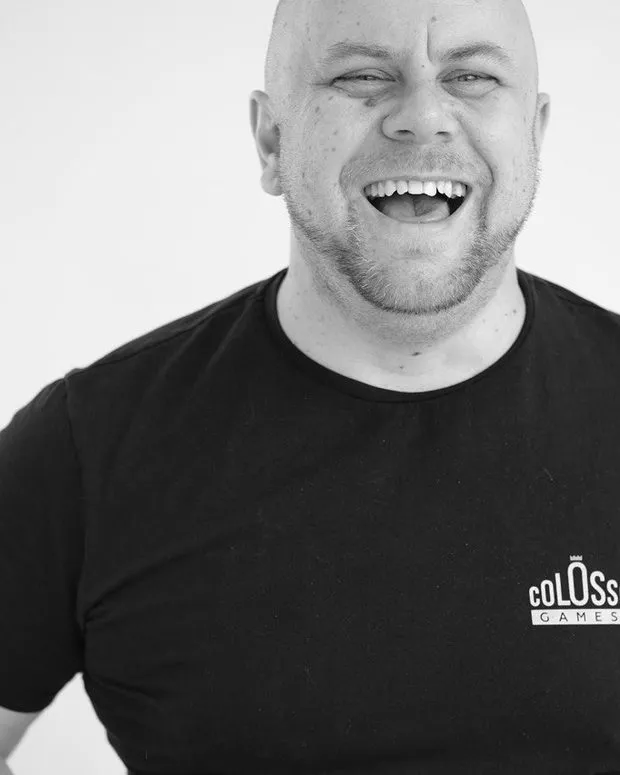
Manuel Prueter laughing, in a Colossi Games t-shirt
Right now Building PromptSurge.me — turning user-review sentiment into organic traffic for app & game devs — while running Colossi Games.
01

Field notes

Short, honest dispatches from twenty years of building. New ones get added as the building allows. Filter by what you came for.

Hard calls2023

Decisive ≠ correct

Two doors, five months, and a call I still can't grade.

When the traffic model broke I had two doors. One: lay off most of the team and pivot to burst-session mechanics we had no experience in and no appetite for. Two: reuse the engine, reskin Rome to Sengoku Japan, move to a leaner model, and move fast. We greenlit Daisho on 23 January 2023 and shipped it that June — concept to live in five months. It kept the team whole. Whether it beat handing the rest of the money back to investors, I still can’t tell you.

Takeaway

You can commit fully, move fast, and still not know for years whether you were right.
Growth & ASO2023

Free traffic is a loan the platform can call

The day your free channel turns paid is already scheduled.

Early 2023, Google Play swapped most of its organic auto-collections for ad inventory. To a player the home page looked identical; to us, free traffic had silently become paid traffic. A low-LTV player from Vietnam covers his keep against staff and servers — bolt a CPI onto his head and he’s a hole in the P&L.

Takeaway

Your unit economics live on someone else's platform. Model the day the free channel turns paid, because that day is coming whether you're invited or not.

War stories2022

February 2022

We shipped Gladiators on the 22nd. On the 24th, the war started. My team was in Russia and Ukraine — both sides of the line, inside one company, fresh out of two years of COVID with travel still broken. The work for the next several months wasn’t game development. It was relocation logistics, conscription risk, and keeping people who suddenly had every reason to resent each other from doing so across a video call.

2
Leadership

In four years — through a war and a round of layoffs the market forced on me — two people left because they chose to. One for a childhood dream of London and a visa a Cypriot company couldn’t sponsor. One to start a family.

Money2022

I turned down sixty million

The strongest round can be the one you don't take.

The launch went well enough that I could have raised again at a $60M valuation. I passed — we had cash in the bank, inflation was high, and I wanted to build, not dilute. Months later the ad market turned and the number would never come back. I’d make the same call and I’d lose sleep over it again.

Takeaway

A term sheet is a price on your optionality, not a trophy. Read it as the cost of the round you didn't run.

Growth & ASO2016

Find the niche nobody's defending

Moscow, a doomed MOBA, and a budget that got pulled.

My first real touch with mobile was a MOBA that couldn’t pay for itself. Marketing budgets were pulled, so I had to learn organic growth or watch it die. That necessity became the method: one proven survival-RPG template, reskinned into settings the big spenders find too small to bother with — Rome, then Sengoku Japan, then the Viking north.

Takeaway

When you can't win on budget, win on the niche your competitors think is too small to defend.

Origin2019

The traffic was in the reviews

2019: what Google Play was already indexing while everyone ignored it.

In 2019 I wrote that Google Play quietly mines user reviews for keywords — including the competitor names, abbreviations and localized titles players type but a developer is barred from using. Sentiment everyone treated as noise was already feeding search and browse traffic, for free. Almost nobody read it that way. Years later that one observation is what a whole company runs on. The edge wasn’t a tool nobody had — it was reading something everyone already had.

Takeaway

The asset your competitors ignore is often the one the platform already indexes. Reread your reviews — the market is naming you in them.

Growth & ASO2023

One reviewer can overrule fifty

Forty-six clean updates, then the forty-seventh meets a different rulebook.

Forty-six updates to Gladiators in fifteen months, not one rejected for its store page. The forty-seventh drew a reviewer who invoked the vague “screenshots must reflect gameplay” rule and, with it, overruled every colleague who had approved the page before him. The biggest titles ship pure promo art with no interface at all and get featured for it. I don’t dispute Apple’s right to write the rules — only a rule read one way for them and another for whoever has the least standing to argue it.

Takeaway

On someone else's platform, precedent isn't protection. Build for the reviewer you might draw, not the fifty who already said yes.

Growth & ASO2025

Now the marketing tells us what to build

When creative testing moved upstream of the design doc.

The order of operations flipped while I wasn’t looking. We used to build the game, then work out how to sell it. Now the selling decides the building: micro-moments instead of marathon sessions, because long sessions quietly cost you retention; creative proven with a few AI stills and a tiny test budget before a line of feature code; everything measured against what a player is worth on day thirty, not day one. The ad network learns on your creative — so design things it can learn on.

Takeaway

Validate the creative before you build the feature. If the network can't learn on it, the feature won't find its players.

Hard calls2024

Loud isn't the same as right

A viral ASO claim, and the small room of people who'd actually know.

A well-followed voice posted that Apple reads and indexes the text inside your screenshots. It fit nothing I knew — its reviewers reject screenshots for having too much text, and its search matches exact terms; it doesn’t read pictures. So I went to the comments for the few people who’d actually know, expecting a correction. I found applause, and quotes that could have been about anything. The room of people with millions of organic installs behind them is small. The room reposting them is not.

Takeaway

In a small field, applause is noise. Check claims against what the platform does, not how many people clapped.

Growth & ASO2019

When attribution dies, relationships don't

2019: betting on the privacy wall two years before it landed.

In 2019 I wrote that the coming privacy wall would quietly blind paid user acquisition — Apple killing third-party tracking, attribution data drying up, and the targeting edge that made campaigns predictable going with it. That was two years before ATT actually landed. The conclusion wasn’t that advertising was dead. It was that the advantage would move to whatever privacy couldn’t take away: store-page visibility, real relationships with the platform’s editors, and the data you own because it lives inside your own game. I’ve built every studio since on the parts nobody can revoke.

Takeaway

When the platform takes away targeting and attribution, the edge moves to what privacy can't touch — ASO, editorial relationships, and the data you own.

Money2019

The math is knowable before you build

€8M, four years, a bubble shooter, and a spreadsheet that already said no.

I once took apart a Berlin studio’s collapse — north of eight million euros, four years, two decent games, gone. You didn’t need the gossip to see it coming; you needed the arithmetic. A team that size burns a fixed number every month. Divide it by what a casual player is really worth after the platform’s cut and the taxman, and you get the revenue you have to clear just to survive — a number their games were never going to reach. The hard part isn’t the math. It’s running it before you’ve fallen in love with the idea.

Takeaway

Burn rate over realistic ARPU is the revenue you have to hit. Run it before the first line of code — most studios never do.

Money2019

Player-friendly isn't free

The proudest line in F2P is the one that doesn't make payroll.

There’s a sin I keep meeting in founders who were players first: the proud vow that the game is never pay-to-win, only skins, the most player-friendly studio that ever shipped. Staying off the predatory stuff is right. But vanity items top out near half a percent pay rate, each one sold exactly once, and they quietly tax the people who built the game. The unromantic truth is that the players who pay are usually your most engaged — paying cohorts retain better than the average install, not worse. Selling real value to people who want it isn’t the opposite of caring about players. It’s how the team that made the game gets to make another.

Takeaway

Charging fairly for real value isn't predatory — it's what funds the next game. 'Vanity only' is a moral pose someone else pays for.

Leadership2020

Hire the thinking, not the trophy

Why a marketer's biggest past number tells you the least.

A recruiter once asked me how to spot a real ASO hire. The tempting move is to weigh their biggest past numbers — installs, a famous launch. But hand a mediocre marketer a war chest and they look brilliant; starve a brilliant one of budget and they look ordinary. So I stopped asking what they shipped and started asking how they’d build a keyword core, why the App Store and Google Play reward opposite things, what actually belongs in the first screenshot. Those answers don’t depend on whose money they were near. The trophy numbers do.

Takeaway

Results ride on budget as much as skill. Interview for how someone reasons, not the size of the launch they stood next to.

Growth & ASO2019

Lead with the fun

Most onboarding explains the game to players who haven't been allowed to enjoy it yet.

I do a lot of teardowns on games that underperform, and the same wound shows up again and again: a cold open of skippable cutscenes and explanation windows, icons that mean nothing yet, a player tapping through a tutorial for systems they can’t use — churning before the first real moment of play. Fun first. The map, the shop, the crafting tree can all wait until the player has felt why the game is worth understanding. You teach the rules of a game people already want to keep playing, not the other way round.

Takeaway

Drop players into the best part first; teach what makes it last only once they care. Every tutorial screen before the fun is a place to churn.

Hard calls2017

One mode, or you split the room

Planet of Heroes shipped a story mode, and cut its own multiplayer in half.

On Planet of Heroes — a real-time mobile MOBA, an Apple Trend Game of 2017 — we shipped a story mode from day one. It felt generous. What it actually did was split the player base clean in half: a large share never touched the PvP the whole game was built around, which meant longer matchmaking, emptier brackets, a worse game for everyone who came for the fight. Even League of Legends shows it in its queue times. If your game needs a crowd in one place, think hard before you build a second place to stand.

Takeaway

In a game that needs a crowd, every extra mode thins the one you have. Concentrate the players before you give them somewhere else to be.

Money

The better it feels, the harder it sells

Uninterrupted fun is a silent killer of spend — but interrupt it and they leave.

A game that’s pure, uninterrupted fun is a quiet killer of revenue — the player never stops long enough to buy anything. So you interrupt: a wait, a wall, a prompt. But interrupt someone who’s enjoying themselves and the irritation usually sends them out of the game, not into the shop. And on the rare occasion they do pay to skip the wait, you’ve just spent the very time you had left to sell to them again. Fun and monetization are pulling on the same minutes. I learned it most sharply in real-time PvP, where the core loop is the most fun and the least interruptible — but it holds for almost any game. The whole craft lives in the seam between too little friction and too much.

Takeaway

Fun and monetization pull on the same minutes. Too little friction and nobody buys; too much and they churn. The craft is the seam between.

Hard calls2025

A trophy for a program nobody funded

Google's people made our game the showcase. Google didn't back the shelf it sat on.

The Google Play team came through and made our flagship their showcase — install it, look, this is what fully cross-play 4K looks like without three hundred engineers behind it. Five stars, real admiration. But all of it was in service of Google Play Games for PC: a product their own company barely resourced, never made performant, and plainly didn’t believe could dent the PC market. So we were the proudest exhibit in a hall nobody upstairs meant to keep open. The people on the ground loved the game. The institution paying them had already moved on. Applause from the field is not commitment from the firm — and being the best thing on a neglected platform is still being on a neglected platform.

Takeaway

Applause from a platform's field team isn't commitment from the firm. The best example of a neglected product is still on a neglected product.

Growth & ASO

Marketing is translation, not decoration

The desire is already in the player's head; the job is to mirror it back.

I think of myself as a marketer before anything else, and to me marketing isn’t decoration bolted onto a finished game. It’s translation. The desire is already sitting in the player’s head — for a world, a fantasy, a feeling they want more of. The whole job is to render that desire faithfully into the picture they scroll past, the video they watch, and finally the game they open. Get the translation right and growth stops being something you buy and becomes something you earned by listening. Build the game the desire was already asking for, and the marketing was half-done before you started.

Takeaway

You don't manufacture demand — you translate an existing desire into the image, the video, the game. Marketer first means listening before you build.

02

The work

One studio, one proven template, three worlds. Plus twenty years of getting there.

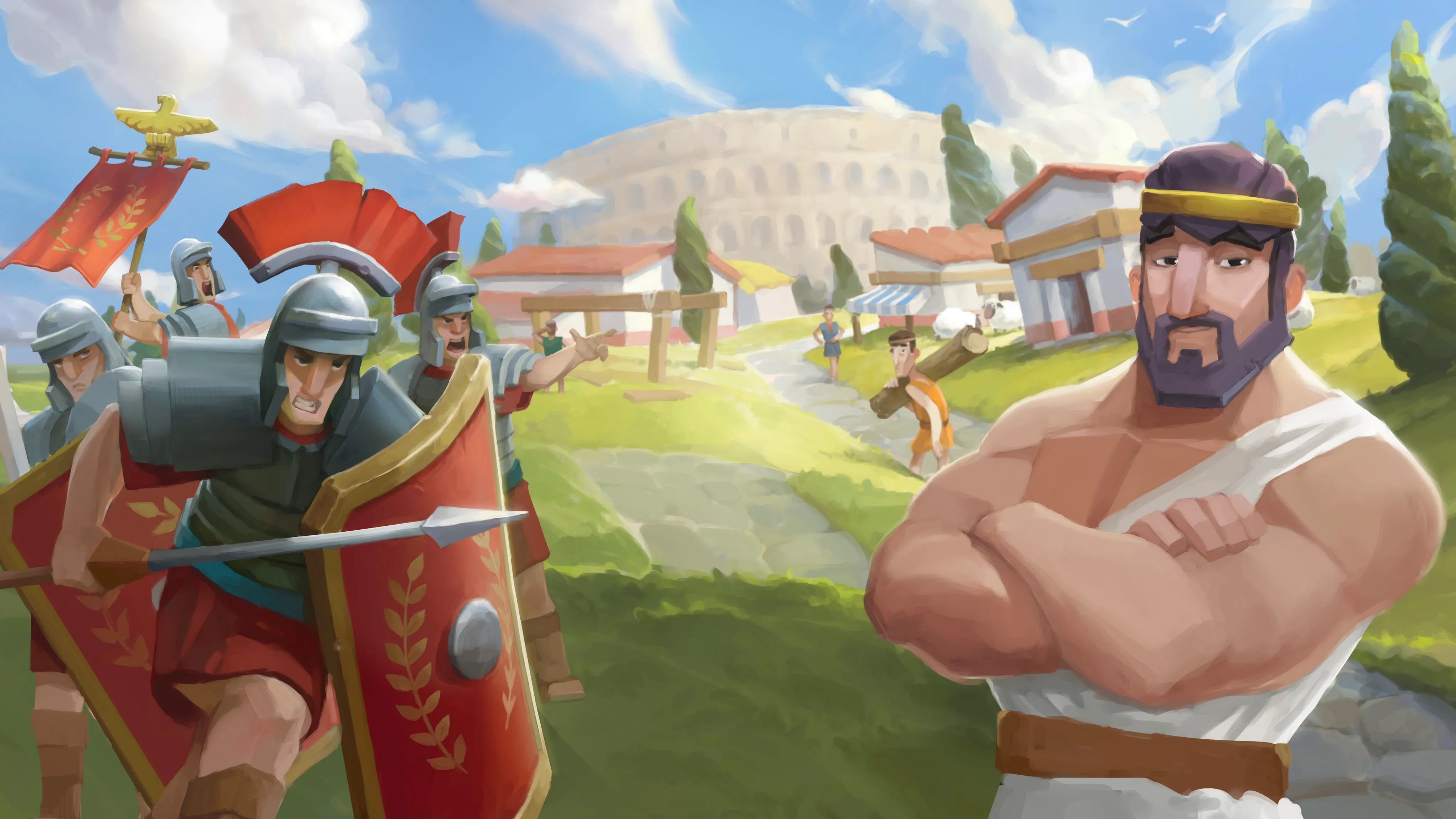
Gladiators: Survival in Rome key art — Roman legionnaires and a gladiator before the ColosseumGladiators:
Survival in Rome

Action-RPG in Caesar’s empire. The studio’s first game, and still its biggest earner.

View →
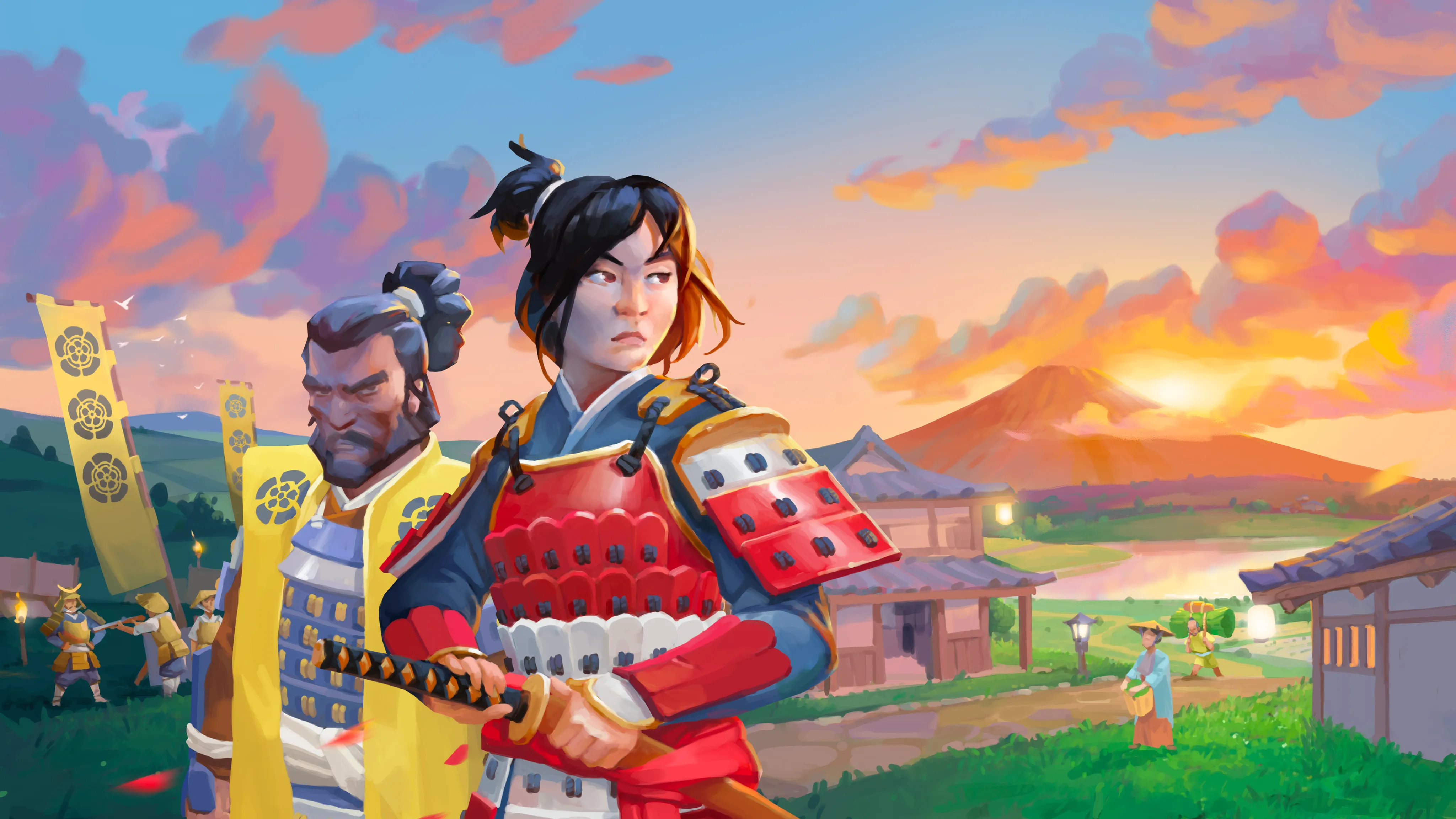
Daisho: Survival of a Samurai key art — two samurai at sunsetDaisho:
Survival of a Samurai

Action-RPG in Sengoku Japan. Concept to launch in five months. Past one million downloads.

View →
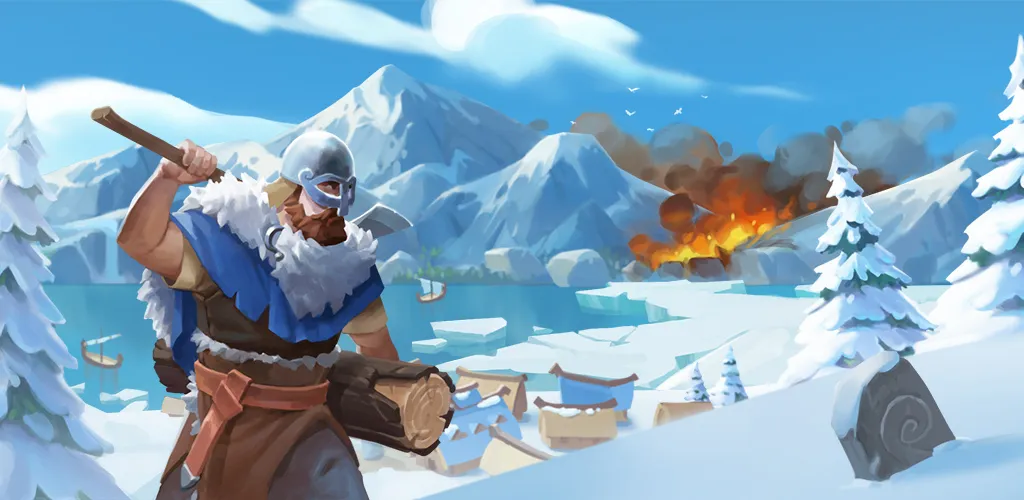
Vinland Tales: Viking Survival key art — a Viking warrior in a snowy fjordVinland Tales:
Viking Survival

Survival-RPG in the Viking north. The newest of the three.

View →
MirrorMagic Games — a small dev-and-publishing outfit with my co-founder Anton. Night Hunt shipped here; where it goes next is an open question.
Night Hunt icon
2020

Colossi Games — Co-Founder & CEO. Self-publishing award-winning Action RPGs set in history; co-founded with Anton Petrov and Andrey Panfilov.

2019

Boyarin — Founder. Boutique organic-marketing agency.

2018

Helio Games — Executive Producer. Zero to seven million installs in six months, organically.

Westland Survival icon
2016

Mail.Ru Group — Senior Producer. Pioneering MOBA on mobile, five years before Riot did.

Planet of Heroes icon
2015

Nival — Head of Operations. Repositioning from F2P to premium on Steam.

Blitzkrieg 3 icon
2013

Infernum — Head of Customer Support & Product. Shooting voxels, zombies, dragons and player concerns.

Brick-Force icon Dragon's Prophet icon Hazard Ops icon
2010

Gamania — Product Manager, Germany. Landing Asian browser games in the West.

Hero 101 icon Koihime Musō Web icon
2008

Sitel — Team Manager. Leading global player-support teams.

EVE Online icon Aion icon
2005

NCsoft Europe — Player Support Supervisor, Brighton. Where it all started, by accident.

Guild Wars icon City of Heroes icon Auto Assault icon Tabula Rasa icon Lineage II icon
$2.5M seed · EQT Ventures, Play Ventures Press — PocketGamer.biz
03

In public

What’s travelled outside the studio — awards, launch features, a stage, and a couple of podcasts.

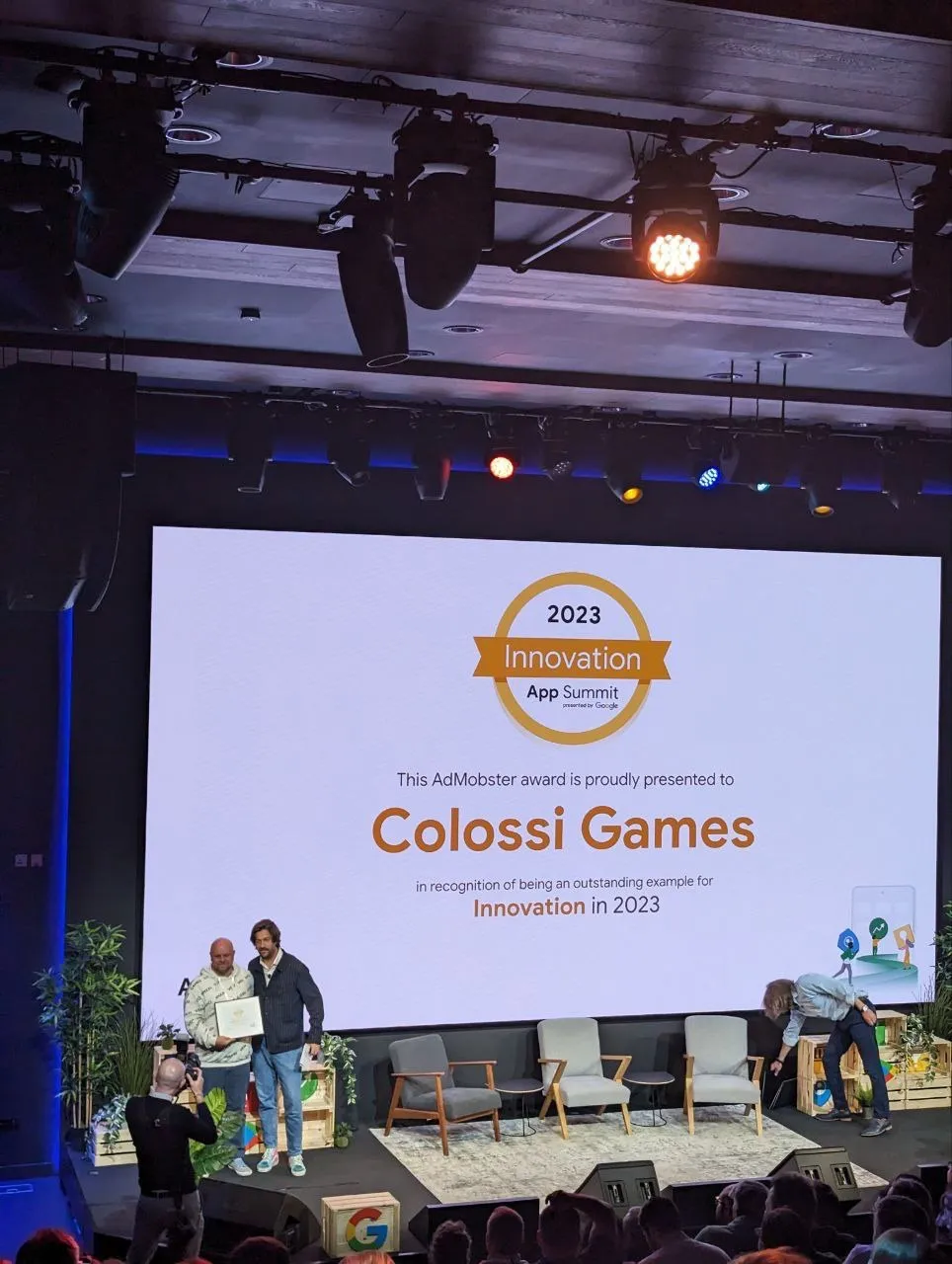
Manuel Prueter on stage receiving the AdMob Innovation Award for Colossi Games at App Summit 2023 AdMob Innovation AwardApp Summit 2023
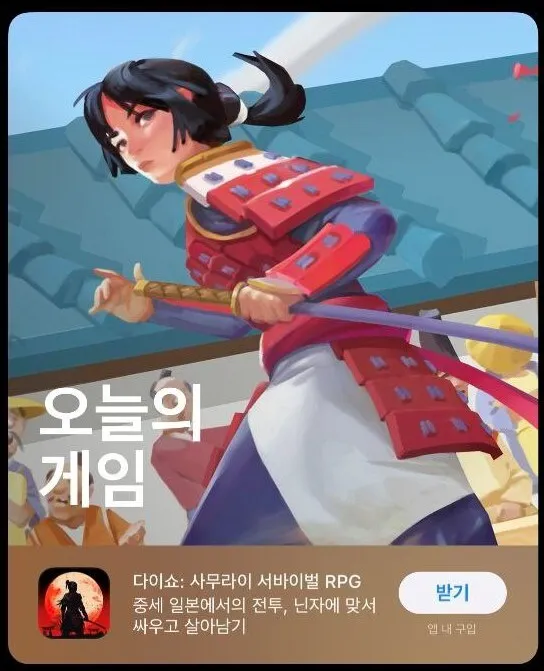
Daisho featured as Apple Game of the Day in Korea Apple Game of the DayDaisho · US & Korea
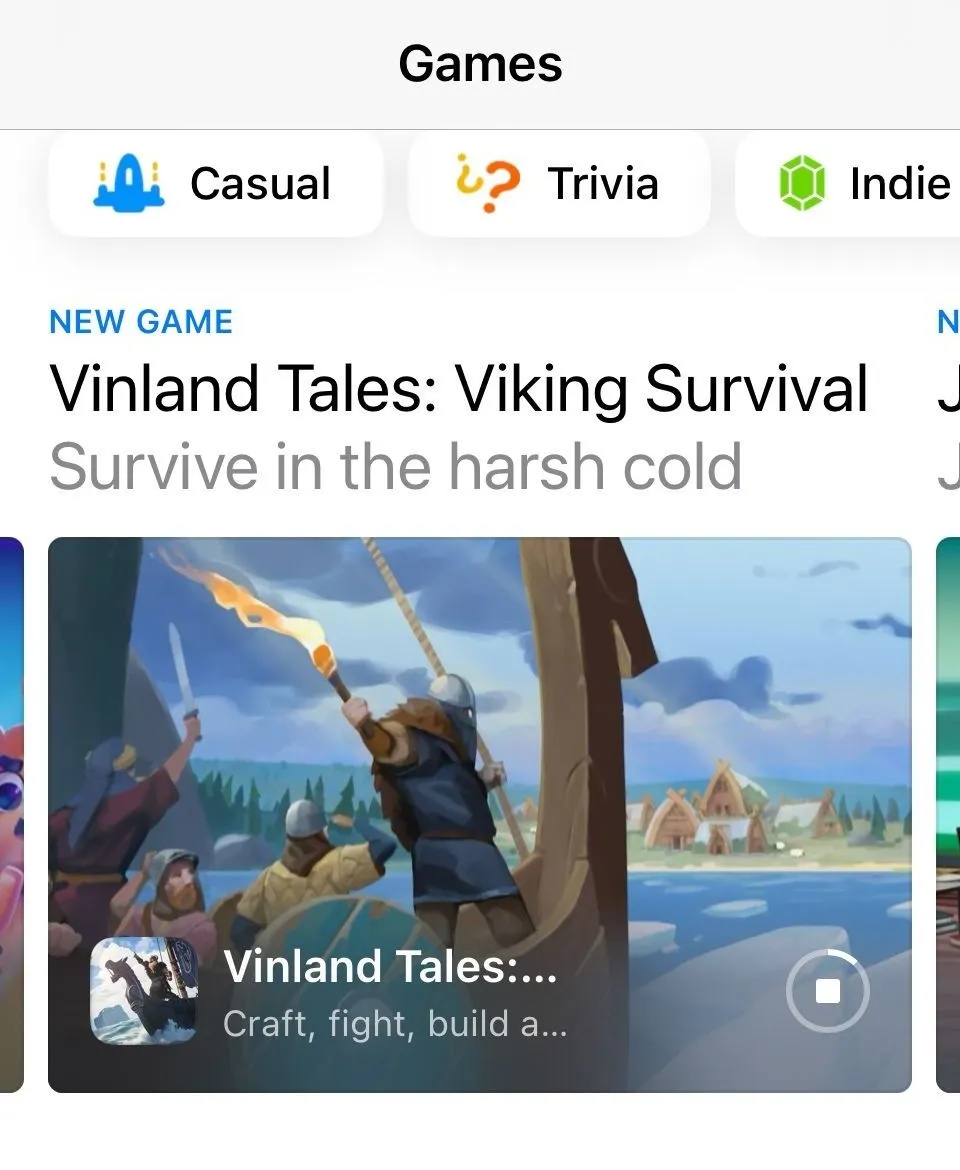
Vinland Tales featured as a New Game on the App Store App Store · New GameVinland Tales · 2024
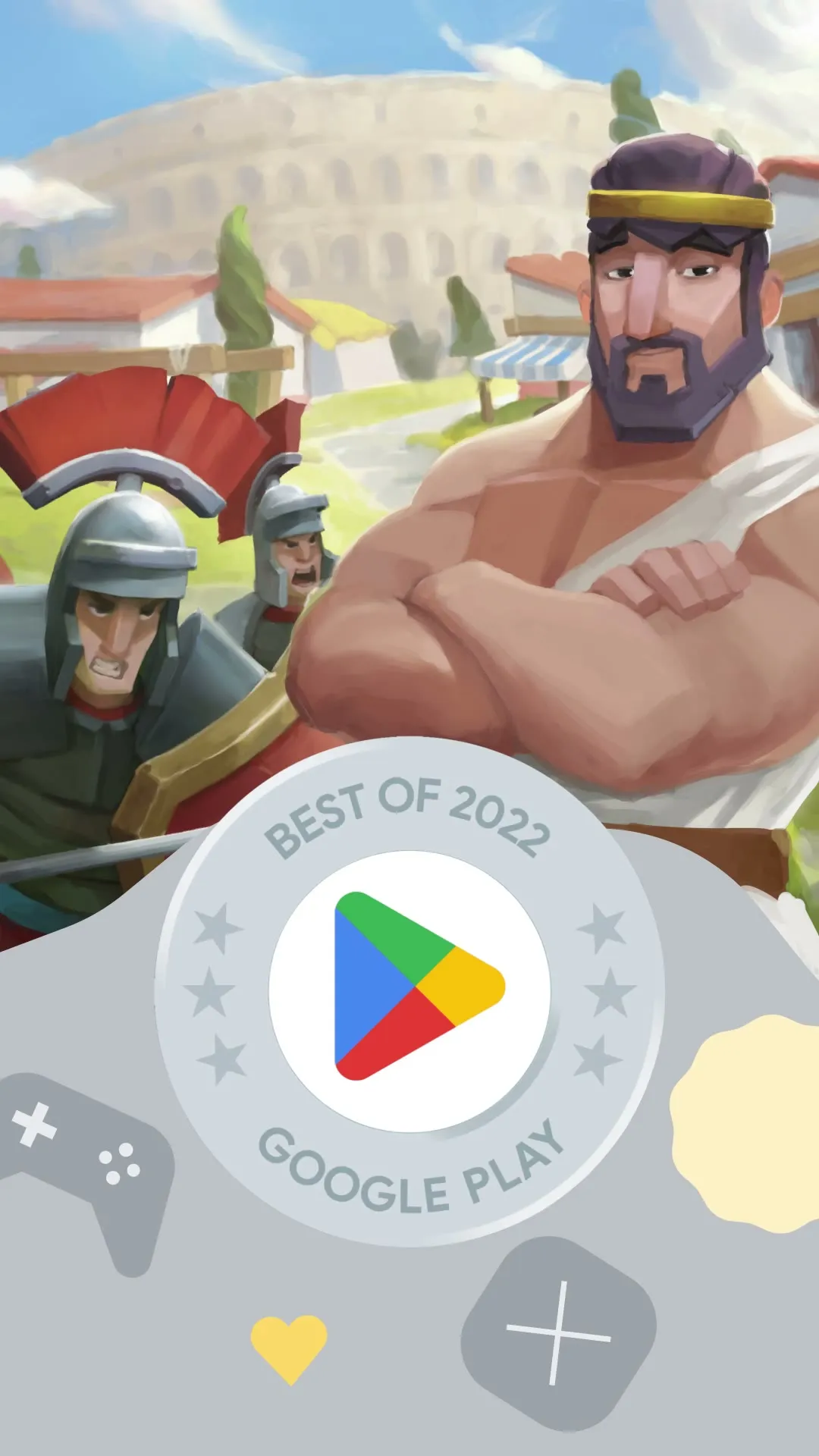
Gladiators: Survival in Rome — Google Play Best of 2022 Google Play · Best of 2022Gladiators
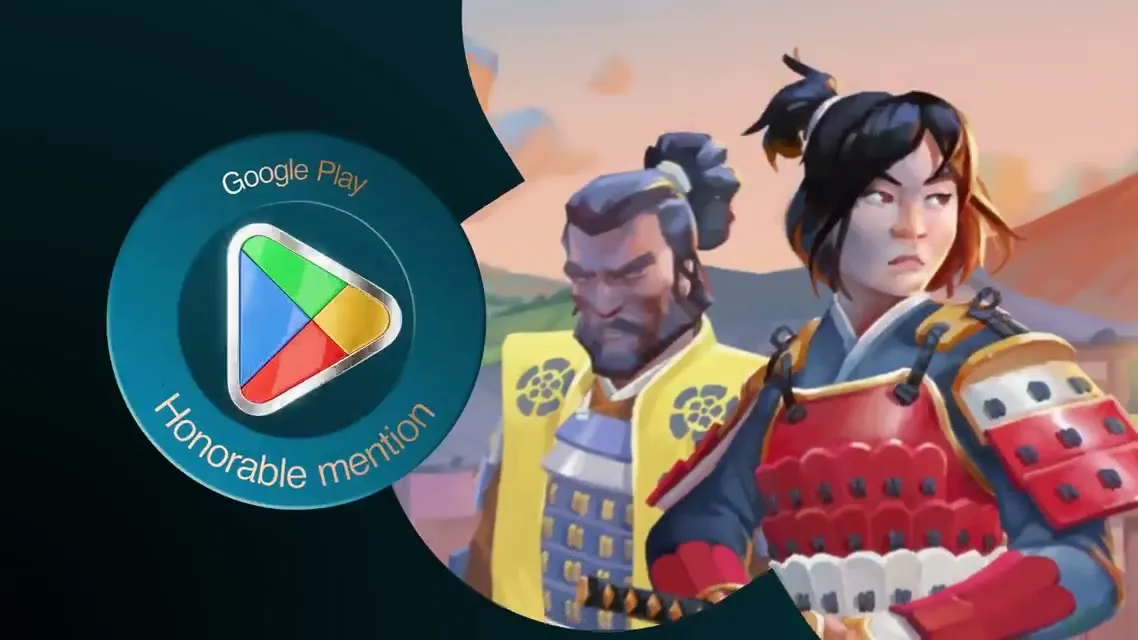
Daisho — Google Play honorable mention Google Play honorable mentionDaisho · 2023
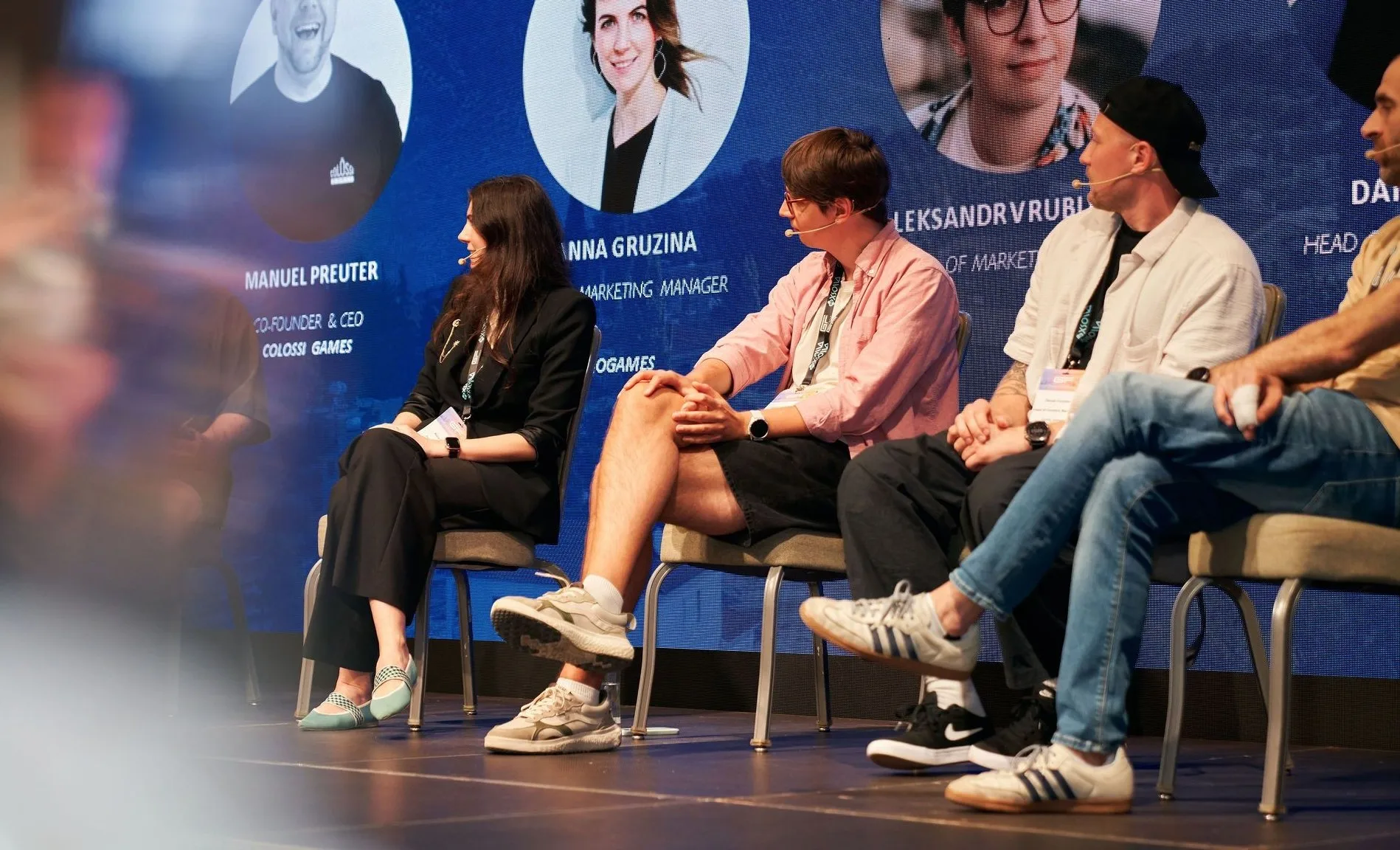
Manuel Prueter moderating a panel at Gamesforum 2026 Panel moderationGamesforum 2026
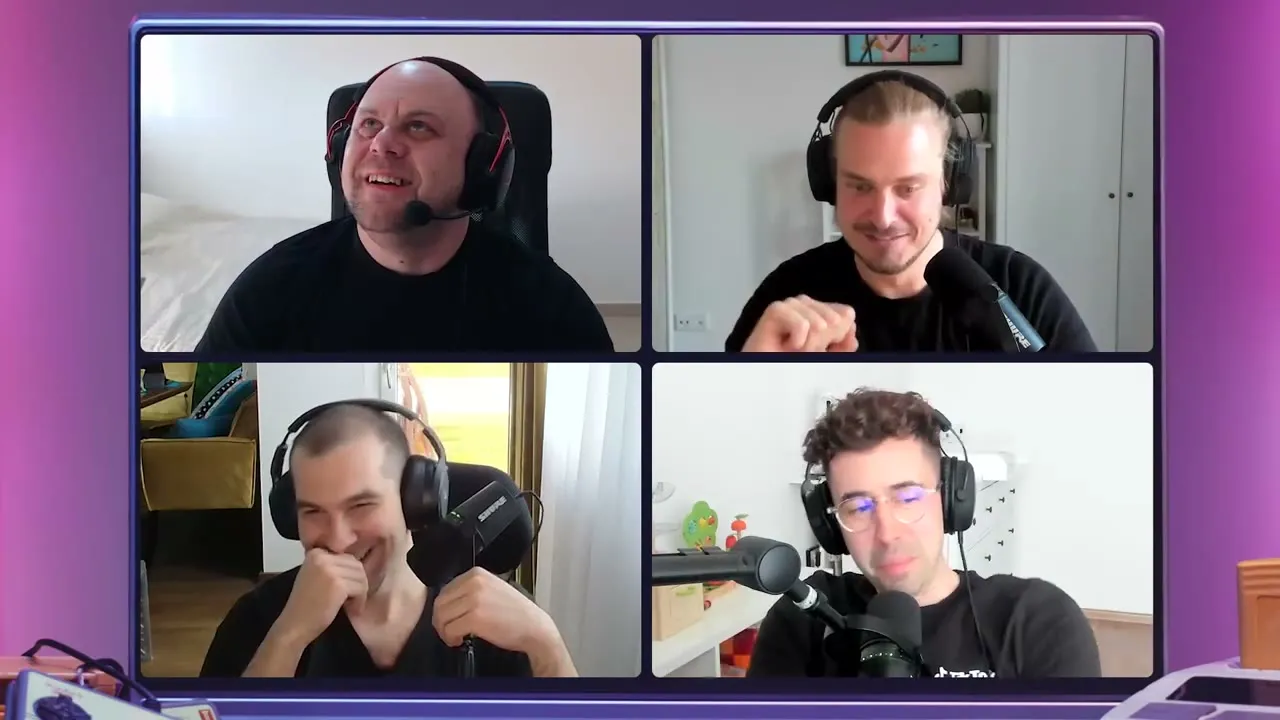
Manuel Prueter on the Two & a Half Gamers podcast Two & a Half GamersPodcast appearance
Manuel Prueter on the Let's Talk Ads podcast Let’s Talk AdsPodcast appearance
04

Now

The newest bet is PromptSurge.me — turning the user-review sentiment most app and game devs ignore into organic traffic they don’t pay for. Same play every time: get into the gap the big spenders think is too small to bother with, before it’s obvious. Colossi runs on it — Vinland Tales live, Gladiators still earning, one proven template ready to reskin into the next under-served setting. The market is still full of those gaps. That’s the whole opportunity.

An open invitation

Daisho is parked, and it’s waiting for the right person.

It converts to install better than anything I’ve built, and it’s sitting still because it needs a game designer with real vision for mobile RPGs — someone who wants to build, not decorate. If that’s you, there’s a studio and a converting game behind the offer, not just a job. Let’s talk.

05

Contact

Reach me by LinkedIn DM. Send the connection request with a note on why you’re reaching out — I read those, and I answer the ones that aren’t pitches.

Connect on LinkedIn →